
For years, I’ve told every client the same thing: “Get more Google reviews.”
It made perfect sense. Reviews helped with local SEO, boosted trust, and made businesses stand out on Google Maps. A steady stream of five-star reviews could do more for visibility than almost any paid ad.
But something’s changing, quietly but dramatically.
More and more people are using AI tools like ChatGPT to look for local services. Instead of typing into Google, they’re asking questions like:
“Who’s the best electrician near me?”
“Which web design company in Worcester is worth calling?”
And here’s the surprising part:
ChatGPT can’t read Google reviews.
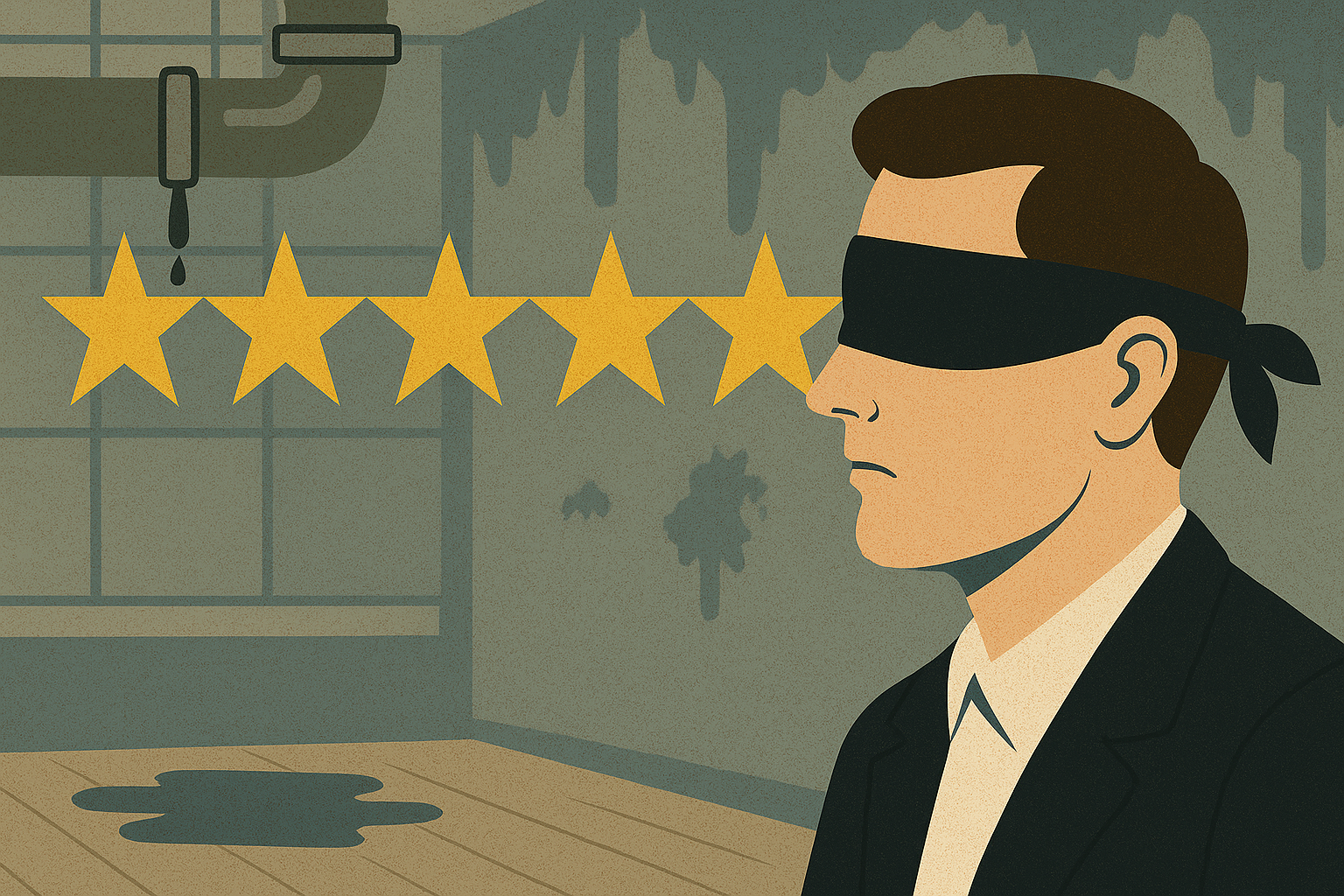
Wait—ChatGPT Doesn’t See Google Reviews?
That’s right. Even though your reviews are technically public, Google keeps that data locked behind its own wall. AI tools like ChatGPT don’t have access to it.
So if someone asks ChatGPT about the “best plumber in town,” the tool might mention your website or your services — but it has no idea that you have 127 glowing five-star reviews on Google.
It’s like throwing a great party but forgetting to send the invitation.
Why That’s a Big Deal
Think about where potential customers are spending time now. People are using AI assistants for quick answers, trusted suggestions, and even recommendations before they ever hit a search engine.
These tools don’t show star ratings or lists of reviews – they summarize what’s visible across the open web. And if your reputation lives only inside Google, then you’re invisible in that space.
This creates a new kind of “visibility gap.”
Google still rewards your reviews for SEO. But AI tools – the ones shaping the next wave of search – can’t see them at all.
How Consumer Behavior Is Shifting with AI
The way people look for businesses has changed. We used to scroll through Google results, comparing star ratings and reviews line by line. Now people just ask an AI a question and trust the summarized answer.
Instead of seeing “★★★★★ 4.9 average,” they see something like:
“Turek Design is known for creating SEO-friendly websites for local service businesses and offering ongoing support.”
That summary isn’t based on reviews – it’s based on content the AI can actually read.
So if all your best feedback lives behind Google’s walls, you’re missing out on how AI describes your business to the world.
How to change the Review Strategy
Google reviews still matter. Don’t stop collecting them; they help you rank in local search. But now, you need to spread out your reputation so it’s visible beyond Google’s reach.
Here’s what that looks like:
- Add testimonials directly to your website. Even better, mark them up with schema so AI tools can read them.
- Encourage reviews on other public platforms like Facebook, Yelp, Trustpilot, or Clutch — anywhere not locked behind Google’s wall.
- Repurpose client feedback from emails, texts, or thank-you notes into website testimonials or short case studies.
- Keep your business info clear and consistent. AI tools scan your site for clues about what you do, where you are, and who you serve.
Think of it as building an AI-visible reputation, not just a Google-visible one.
Here is a quick AI search survival guide.
Looking Ahead
Eventually, AI tools might gain access to Google’s review data — but right now, they don’t. That means the businesses that diversify their reputation footprint now will have a huge advantage later.
If you’ve been pouring all your energy into Google reviews, this is your sign to branch out. Own your testimonials. Make them visible. Let AI — and your future customers — actually see the reputation you’ve worked hard to build.
Bottom line is that Google reviews still help with search rankings, but they no longer tell the whole story. As more people use AI to find local businesses, visibility depends on what AI can read — and right now, it can’t see inside Google’s walls.
It’s time to rethink how and where your customers leave feedback.
Because your reputation deserves to be seen everywhere, not just in one corner of the internet.